
.svg)

.svg)


Many parents find it difficult not knowing when their child needs to pee or poop. However, many children already show signs of this through their behavior. If you know what to look for, you can better help your child recognize these cues—and get to the potty or toilet in time more and more often.
Pay close attention to signs
Keep a close eye on your child over the next few days. Some children show clear signs before they need to pee or poop. Discuss your child’s cues with other caregivers. What do they notice?
Examples of signs in young children
- suddenly stop talking
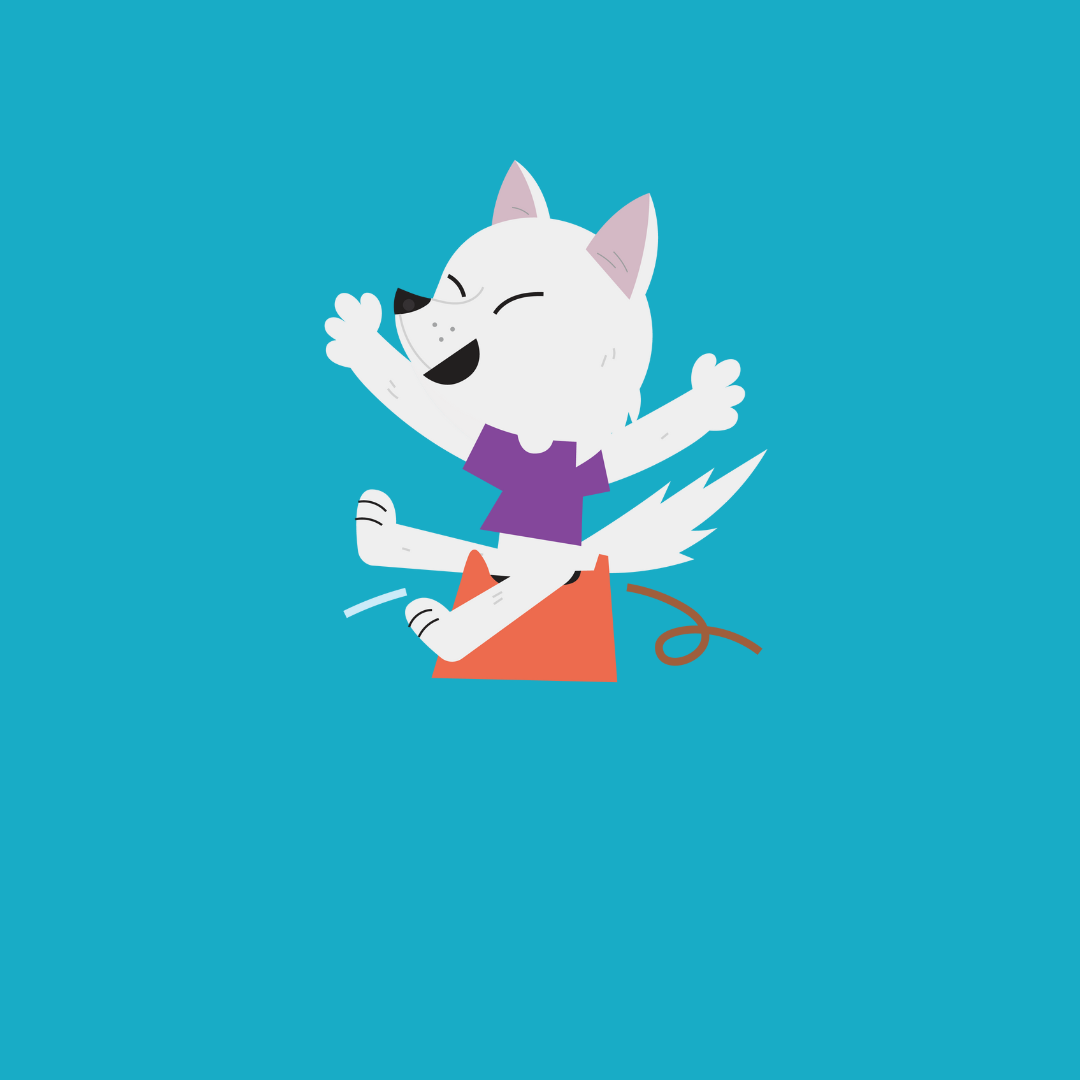
- wiggle or hop up and down
- crawl away or hide
- to frown or pull a face
- suddenly stop playing
- grab the cross
- to sit with your legs crossed
Regular events
Many children (and adults) have a regular pattern for pooping and peeing. If you know your child’s pattern, you can pay extra close attention. Point it out and encourage your child to go to the potty. This increases the chances of them going. So try to notice the moments when they pee or poop. Can you spot a pattern?
For example:
- after sleeping
- one hour after drinking
- just before dinner
- when your baby takes a bath
Describe what is happening
Can you tell when your child is peeing or pooping? Or needs to go? If so, point it out. Then invite your child to use the potty. Keep the potty nearby at set times. This way, your child will gradually learn to recognize the sensation in their body.



.svg)
%20Ledenlogo2.png)